History of Iran - Part 6
The current situation in the Middle East has focused attention on Iran — a country whose history rivals that of any on earth, stretching back over 5,000 years and encompassing 29 UNESCO World Heritage sites.
This is part 6 of a multi-part series that will examine that history.
Click here for a list of the articles in this series.
The Collapse of Alexander the Great’s Empire – Seleucid Empire
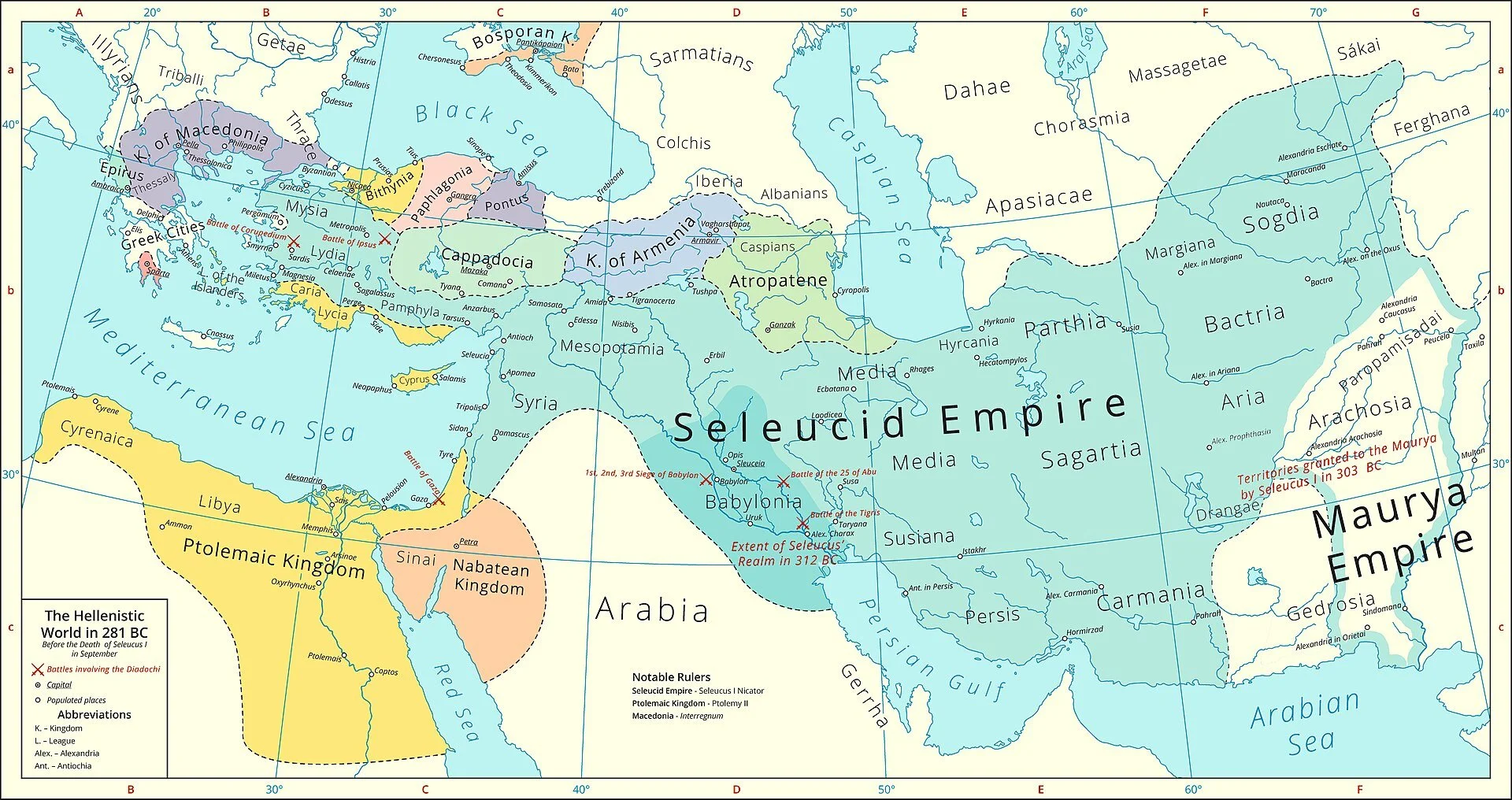
Seleucid Empire in 281 BC.
By Avantiputra7 - Own work, CC BY-SA 4.0
Alexander died in 323 BC at age 32 with no clear heir. When asked on his deathbed to whom he would leave his empire, he reportedly said, ‘to the strongest.’ His son, Alexander IV, was born after his death and later murdered when he was 13. There was no peaceful transfer of power. In what became known as the Wars of the Diadochi, his generals fought over who would rule Alexander’s empire. The fighting started in 323 BC and lasted for almost 50 years.
His generals divided Alexander’s empire into three parts.
One of them, Ptolemy, took control of Egypt, founding the Ptolemaic Kingdom, which lasted almost 300 years before falling to the Romans in 30 BC.
The second, Antigonus, ruled Macedonia, founding the Antigonid dynasty, which lasted almost 150 years before falling to the Romans in 168 BC.
Finally, Seleucus ruled the greatest part of Alexander’s empire, covering Asia Minor, Babylonia, Iran, and Syria.
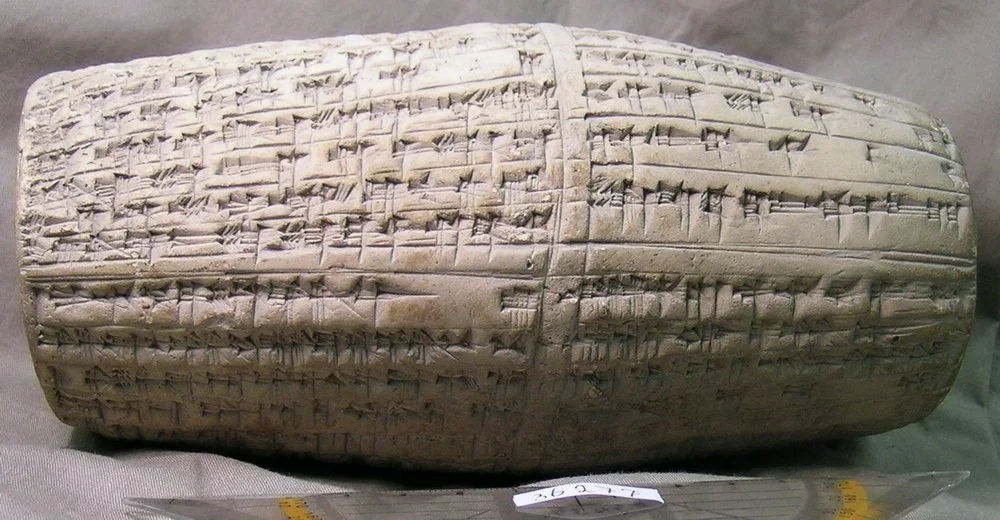
Antiochus Cylinder, housed in British Museum
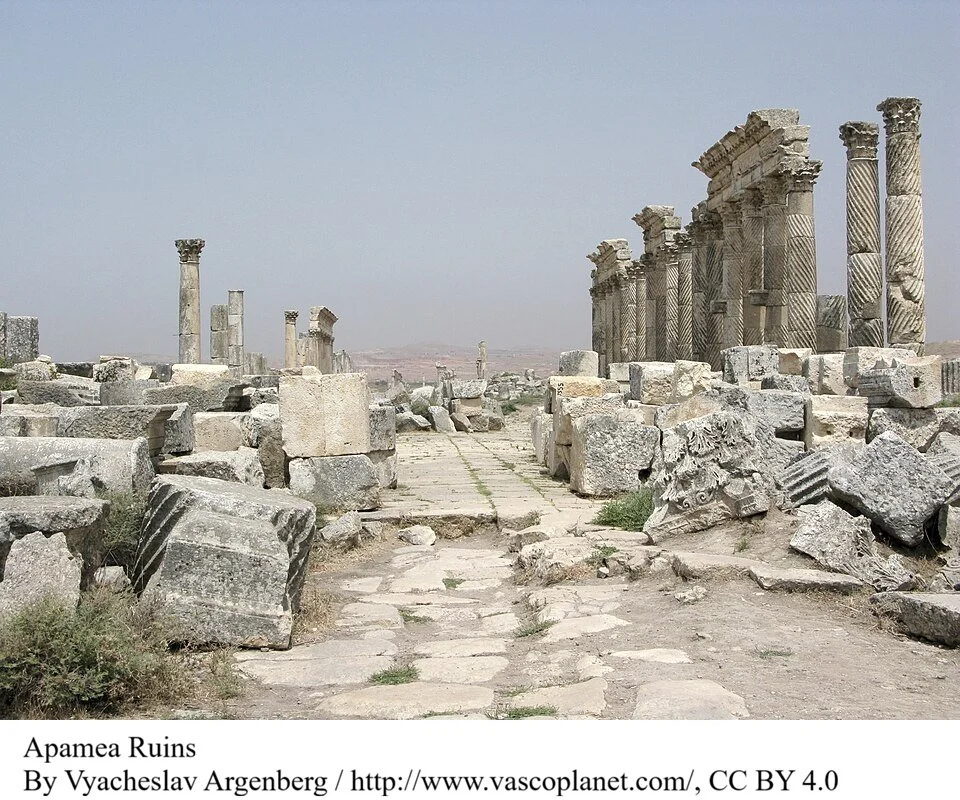
The Seleucids were enthusiastic Hellenizers, who installed Greeks as the dominant political class. They founded dozens of Greek-style cities across the empire, each built to the same template: a grid street plan centered on a public square, with a theater, a temple to Greek gods, and a gymnasium. The gymnasium was not just a place to exercise, but was an institution where Greek language, philosophy, and literature were taught. Among the most significant cities were Antioch in modern Turkey, Apamea in modern Syria, and Seleucia on the Tigris near modern Baghdad. Antioch grew into one of the largest cities in the Roman Empire and became a major center of early Christianity. It was in Antioch that followers of Jesus were first called Christians. It survives today as Antakya in southern Turkey, but was devastated by an earthquake in 2023. Apamea became a prosperous Roman city, known for its magnificent colonnaded main street, one of the longest in the ancient world. Its ruins lie in modern Syria, and unfortunately, were looted during the recent Syrian civil war. Seleucia, the capital, was a major city for years, surviving the Empire's extinction until the Romans destroyed it in 165 AD.
The Seleucids were concerned about resistance to Hellenization. Around 268 BC, Antiochus I, the son of Seleucus, commissioned a clay cylinder inscribed in Babylonian cuneiform, the same ancient writing system used for the Cyrus Cylinder described in Part 2. of this series. In it, Antiochus presents himself not as a Greek conqueror but as a devoted servant of Marduk, the chief Babylonian god, describes the restoration of temples in Babylon, and uses traditional Mesopotamian royal titles. He wanted to portray himself as the rightful ruler of the empire. The cylinder is housed today in the British Museum, displayed just steps from the Cyrus Cylinder.


However, Antiochus IV, the grandson of the man who commissioned the cylinder, banned Jewish religious practices, including Sabbath observance, circumcision, and dietary laws, under penalty of death. After he desecrated the Temple by building an altar to Zeus inside, the Jews revolted in 167 BC. The revolution succeeded, and its success is celebrated today as the Jewish holiday of Hanukkah. The villain of the story? A Seleucid king.
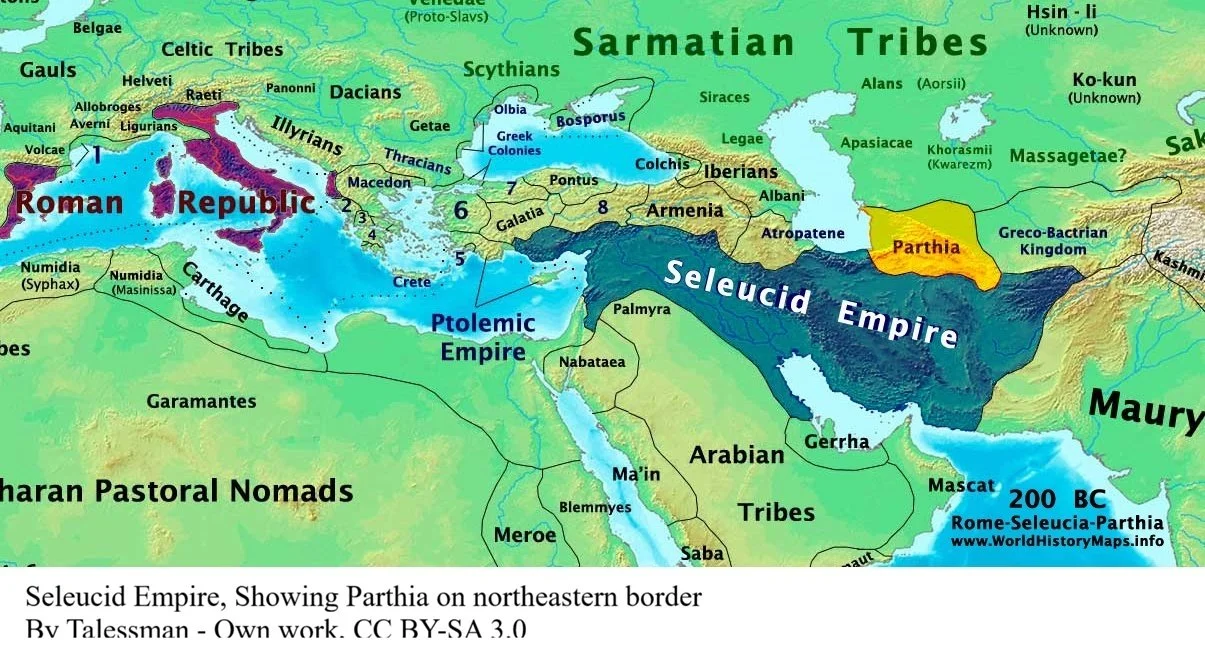
The Seleucid Empire started to decline within 100 years with the establishment of the Parthian Empire in 247 BC, and its remnants were dissolved by the Roman general Pompey in 63 BC.
The Parthian Empire
In 247 BC, a chieftain named Arsaces led the Parni tribe in a revolt against Seleucid rule, seizing the eastern province of Parthia in present-day northeastern Iran. He founded the Arsacid dynasty, which ruled the Parthian Empire for nearly 500 years. Every Parthian king who followed adopted Arsaces as a royal title, just as Roman emperors adopted the name Caesar.
The empire expanded greatly under Mithridates I, who ruled from 171 to 138 BC. He conquered Media, the ancient heartland of Iran, then took Seleucia, the Seleucid capital, in 141 BC. He captured the Seleucid king, Demetrius II, in battle and held him prisoner for 10 years as a political maneuver against the remaining Seleucid empire.
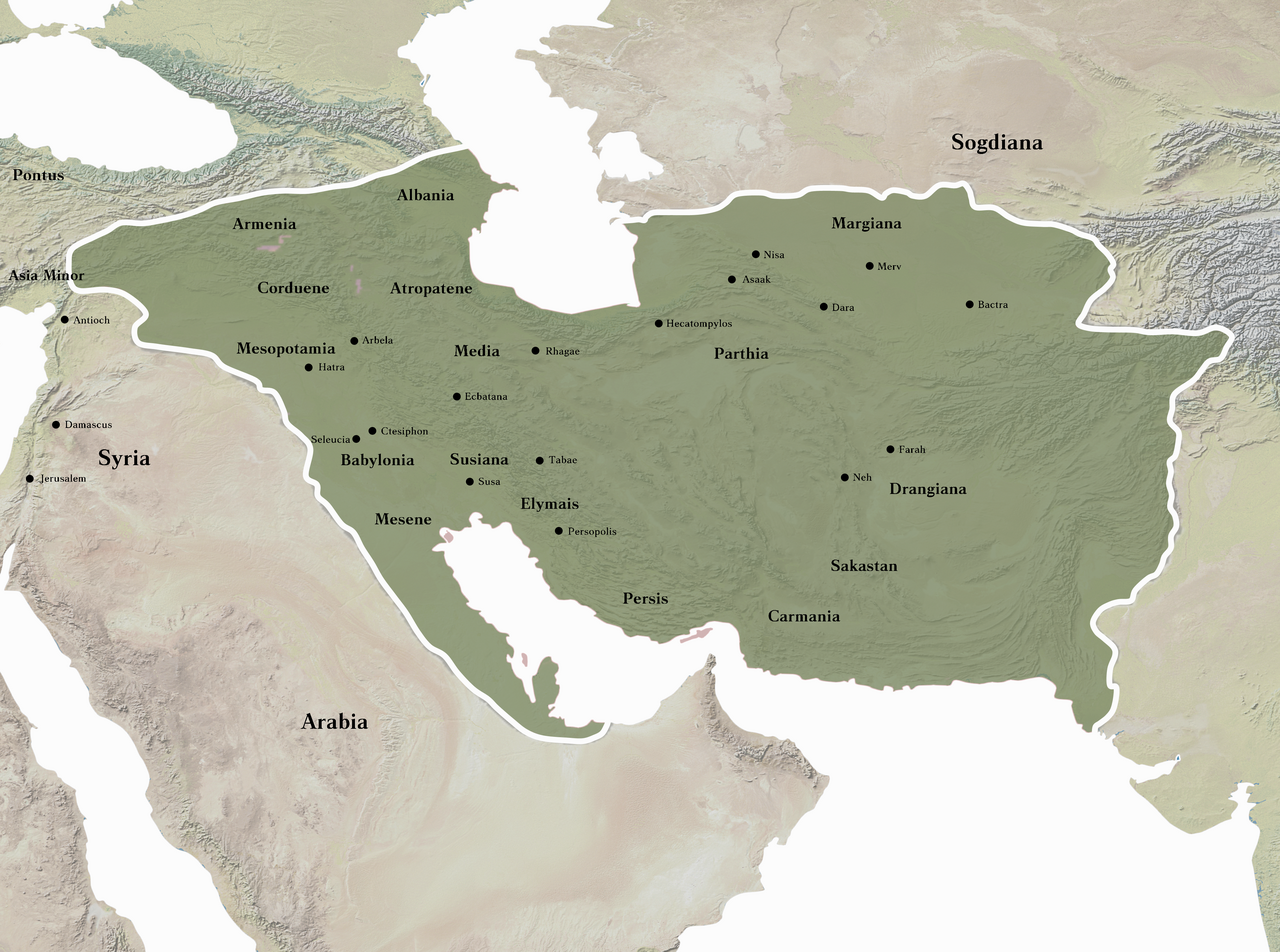
The Parthians built a new capital, Ctesiphon, on the Tigris River near modern Baghdad around 120 BC. This city lasted almost 800 years, until the Islamic conquest of Persia.
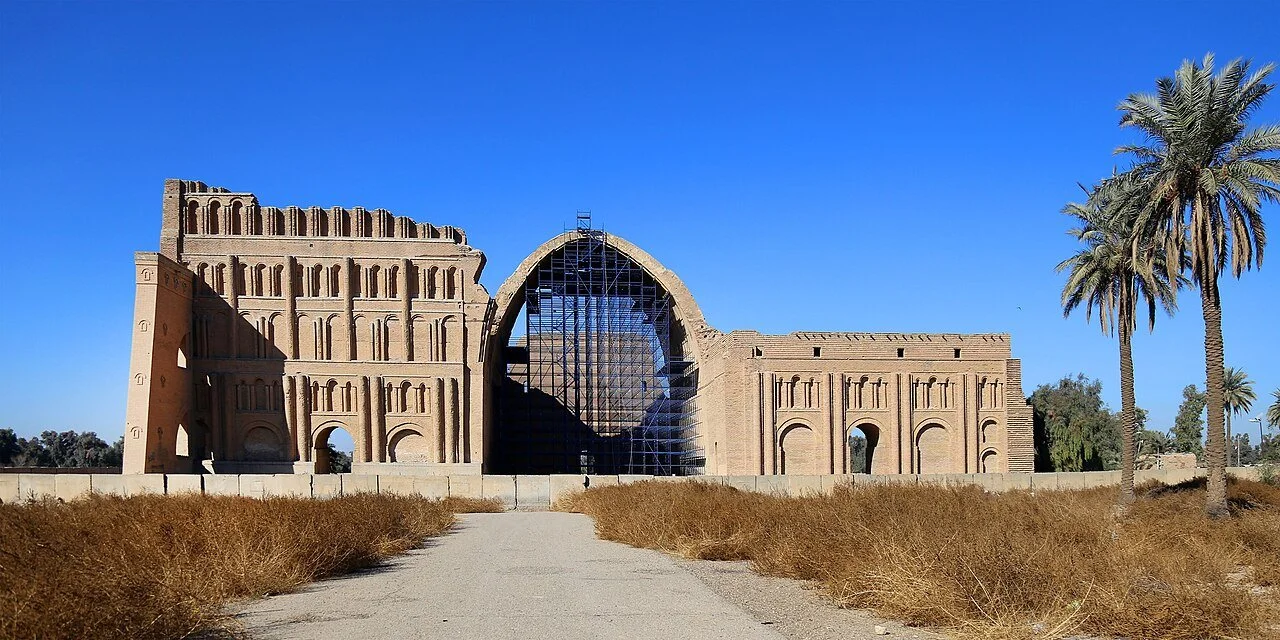
The ruins of the Taq Kasra arch at Ctesiphon, one of the largest single-span brick arches ever constructed
By Safa.daneshvar - Own work, CC BY-SA 4.0,
Persian Culture
The Parthians revived Persian customs and replaced the Hellenization favored by the Seleucids. They presented themselves explicitly as heirs to Cyrus the Great and the Achaemenid empire. The Parthians were not Persians, but they revived and preserved Persian culture, which outlasted the Greek conquest. The Parthian language, related to Persian, was used throughout the empire and persisted longer than the empire itself.
The Magi
The Gospel of Matthew describes wise men who followed a star from the east to Bethlehem at the time of the birth of Jesus:
"Now when Jesus was born in Bethlehem of Judaea in the days of Herod the king, behold, there came wise men from the east to Jerusalem, saying, Where is he that is born King of the Jews? for we have seen his star in the east, and are come to worship him." (Matthew 2:1-2)
The Three Wise Men, also known as the Magi, were likely Zoroastrian priests during the Parthian era. They were known for their expertise in astronomy and the interpretation of celestial signs. They were subjects of the Parthian Empire, crossing from Persia into Roman-controlled Judea. One of the most familiar scenes in the Christian tradition originated in the Persian Empire.
Conflict with Rome
To Parthia's west, Rome was rising. The two empires would spend two hundred years locked in a rivalry that shaped the ancient world. That confrontation produced one of the most catastrophic military defeats in Roman history, a battle whose consequences echoed for generations. It gave the English language a phrase still in common use today. That story will be told in Part 7.
*Diadochi is a Greek word for successors
** Hellenism means ‘Greek-ness.’